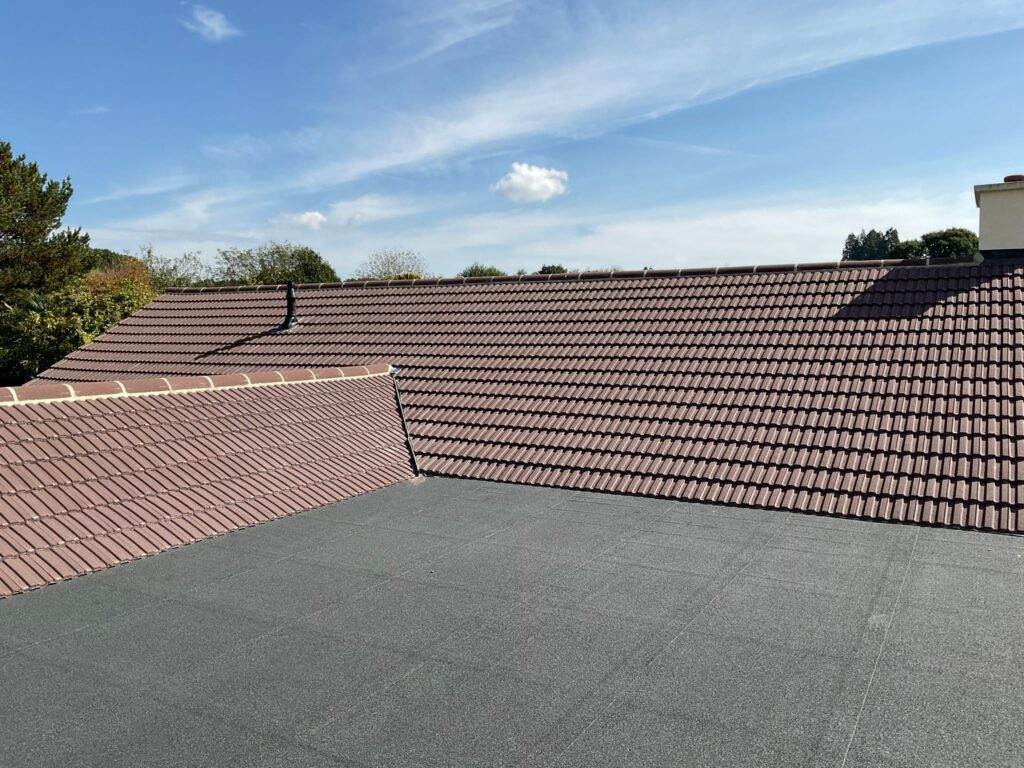
A roof can perform reliably for many years before a leak appears. This does not necessarily mean that the damage developed overnight. Roofing materials gradually weather, fixings weaken and small defects enlarge until water finally finds a route into the property.
The first visible stain may therefore be the result of a long process rather than a sudden failure. For property owners in North Ferriby, East Riding of Yorkshire, identifying the underlying cause is essential before deciding what type of roof repair is required.
Common Reasons an Apparently Reliable Roof Begins to Leak
A roof is made up of interconnected components. Tiles or slates provide the main covering, while underlay, battens, flashing, mortar details and drainage routes all contribute to keeping the property dry.
A leak may begin when one component deteriorates or several minor weaknesses combine. The amount of water visible inside does not always reflect the size or location of the external defect.
Roofing Materials Have Gradually Aged
Constant exposure to sunlight, rainfall, wind and changing temperatures affects roofing materials over time. Tiles may become more porous, felt can lose flexibility and mortar can begin to crack or loosen.
This deterioration may remain unnoticed while the roof continues to shed water. Eventually, a small opening develops or the material can no longer cope with prolonged rainfall, allowing moisture beneath the covering.
A Tile or Slate Has Moved Slightly
A roof covering does not need to have a clearly missing tile before it can leak. A tile or slate that has moved only slightly may leave an overlap or joint exposed to wind-driven rain.
Movement can result from weakened fixings, deterioration of supporting battens or repeated weather exposure. The defect may be difficult to see from ground level, particularly when the tile remains close to its original position.
Fixings Have Weakened
Tiles and slates depend on nails, clips or other fixings to remain secure. These components can corrode, loosen or fail as the roof ages.
Once a fixing no longer holds correctly, the covering may lift or slip during windy conditions. Nearby materials can then become more exposed, increasing the possibility of water reaching the underlay.
Replacing or repositioning the visible tile may not be enough if other fixings in the same section are also deteriorating.
Flashing Has Developed a Defect
Flashing protects vulnerable junctions around chimneys, walls, roof windows and adjoining roof sections. It must remain correctly positioned and able to accommodate normal movement.
Over time, flashing can lift, crack, split or separate from the surrounding material. Even a narrow gap may admit water during persistent or wind-driven rain. Because junctions often contain several overlapping details, the precise route of entry requires careful inspection.
Mortar Has Cracked or Broken Away
Mortar is commonly found along ridges, hips and verges on some roofs. Repeated temperature changes, moisture and general ageing can cause it to crack or become loose.
A small surface crack may not create an immediate leak, but continued deterioration can allow water beneath the adjoining materials. Loose mortar may also reduce support for surrounding components, making movement more likely.
The Underlay Has Deteriorated
Underlay provides secondary protection beneath tiles or slates. It can help direct small amounts of wind-driven moisture towards the eaves when the external covering is functioning correctly.
Older underlay may become brittle, torn or unsupported. If water passes beneath a displaced tile, damaged underlay may no longer prevent it from entering the roof space.
Because underlay is concealed, its condition is often not known until the covering is lifted locally or signs of deterioration are found from inside the roof space.
Gutters, Valleys or Outlets Are Blocked
Leaves, moss and other debris can obstruct rainwater drainage. When water cannot flow freely, it may collect in valleys, overflow behind gutters or reach areas not designed for prolonged exposure.
A leak caused by poor drainage may appear suddenly during heavy rainfall, even though the roof covering itself has not recently changed. Clearing the blockage may form part of the solution, but the surrounding roof should be checked for damage caused by repeated water retention.
A Recent Period of Weather Exposed an Existing Weakness
Wind and prolonged rainfall can reveal defects that previously caused no visible symptoms. A weakened tile fixing may finally fail, an ageing seam may open or water may be driven beneath an already vulnerable overlap.
The weather may be the final trigger rather than the sole cause. Understanding the pre-existing condition helps ensure that the repair addresses more than the immediate visible damage.
Structural Movement Has Affected the Roof Covering
Roofs naturally experience small amounts of movement as materials expand, contract and settle. Where movement becomes concentrated, it can affect flashing, joints, tiles and flat roof membranes.
Cracks that repeatedly appear around the same junction may indicate that the underlying movement needs consideration. Simply sealing the surface could provide only a short-term result if the cause remains active.
The Leak May Have Been Hidden for Some Time
Water can enter the roof space without immediately reaching a visible ceiling. Insulation or timber may absorb small amounts of moisture, or water may travel along a rafter before dripping elsewhere.
A mark may only appear once materials become saturated or rainfall continues for long enough. This is why the internal position of a stain does not necessarily identify when or where the defect began.
Could the Moisture Be Condensation?
Not every damp mark is caused by rain entering through the roof. Condensation can form when warm, moisture-laden air reaches colder surfaces within the roof space.
The timing of the problem provides useful evidence. Damp that develops during or soon after rainfall suggests external water ingress, while moisture appearing during cold, dry conditions may require ventilation and condensation to be considered.
A professional assessment should distinguish between these causes before repair work begins.
What a Roof Inspection Should Examine
A methodical inspection may include checking:
- Tiles, slates or roof membranes
- Ridges, hips and verges
- Flashing and roof junctions
- Valleys, gutters and outlets
- Underlay and battens where accessible
- Previous repair areas
- Roof timbers and internal damp patterns
- Signs of movement or repeated deterioration
Examining these components together helps locate the actual point of entry and determine whether the problem is isolated or more widespread.
Can the Roof Still Be Repaired?
Many leaks that appear after years of reliable performance can be resolved through targeted repairs. This is often possible when the defect is localised and the surrounding roof remains sound.
A wider approach may be necessary when several components are deteriorating, leaks are appearing in multiple areas or previous repairs no longer remain effective. The roof’s age alone should not determine the solution; its current condition and the cause of the leak are more important.
Conclusion
A roof may begin leaking after years without trouble because gradual ageing, weakened fixings, displaced materials or deteriorated flashing has reached the point where water can enter. Blocked drainage, harsh weather and hidden underlay damage can also reveal problems that were previously unnoticed.
TRP Roofing North Ferriby provides professional roof inspections and repairs in North Ferriby, East Riding of Yorkshire. If your previously reliable roof has started leaking, contact us to arrange an assessment and identify the correct repair.
Call us on: 01482 420 391
Click here to find out more about TRP Roofing North Ferriby
Click here to complete our contact form and see how we can help with your roofing needs.